Sustainability and Fishermans’ Wisdom
"What matters is not only how much we catch today, but whether our children and grandchildren can still fish the same sea."
— Ariyoshi-san, 福岡魚市場 Fukuoka Uoichiba
Two ways to look after a sea
Most of the seafood world measures sustainability by certificate: MSC for wild fish, ASC for farmed. We carry both in our frozen range, and we're glad to. But the fishermen who land our Fukuoka fish work from an older idea. Rather than a list of things you may not do, it is a set of habits for looking after a sea you intend to fish for the rest of your life, and hand on to the next generation. This page is about those habits, in the fishermen's own terms, with the numbers alongside.
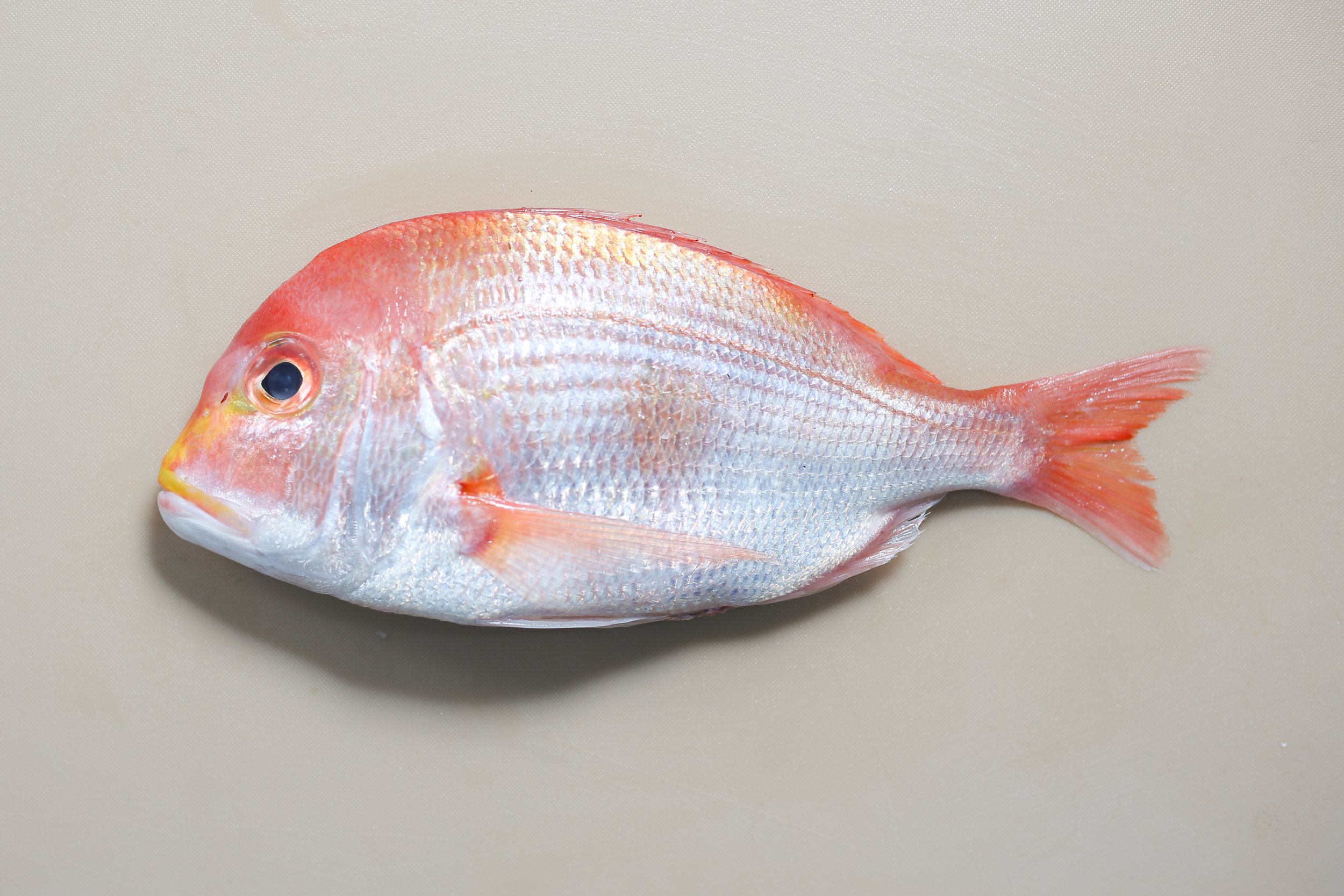
The rules are the fishermen's own
In Japan, the first layer of protection is written at the harbour. Each fishing co-operative sets rules for the fish and waters it depends on, alongside government regulation. Under Japan's revised Fisheries Act, fishermen draw up resource management agreements with their own targets, have them certified by the prefecture, and then carry out the measures to meet them. Around the Genkai Sea, the co-operatives of Itoshima, Fukuoka City, Shingu-Ainoshima and Munakata each hold one. Nationally, the move to these agreements was complete by the end of 2023.
Let the small ones go. Rest the sea.
On the Fukuoka coast, the everyday tools are simple: return small fish, widen the net mesh, set days off. For some species the rules are strict. Tiger pufferfish in western Kyushu has closed periods in each sea area and a release rule for any fish of 30cm or under, with prefectures adding protection for spawning adults, larger minimum sizes and gear limits. Blue crab in the Ariake Sea is managed by four prefectures together: egg-bearing females are protected, small and soft-shelled crabs are released, and the fishery closes for 15 days of the spawning season.
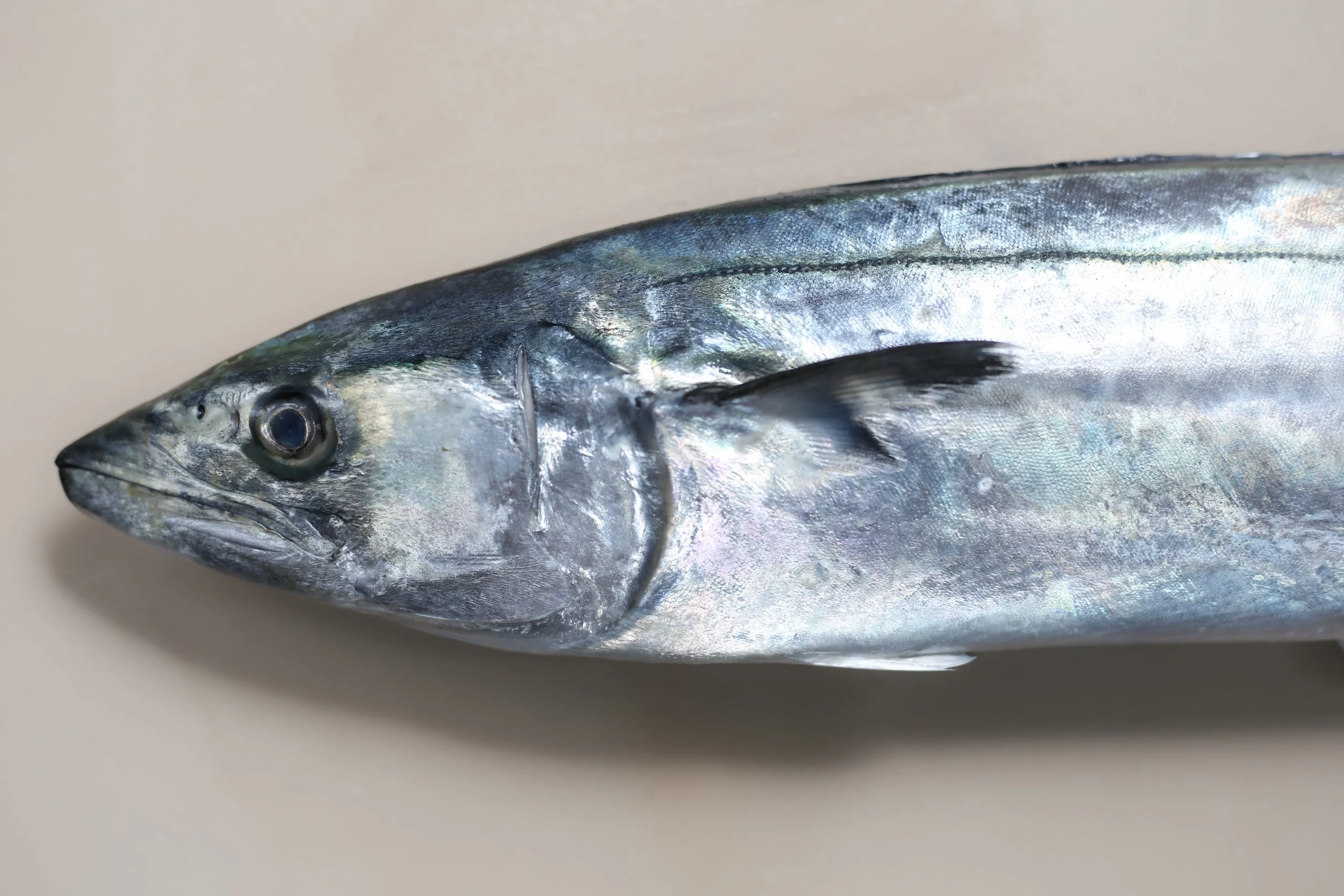
Some rest days follow the moon. Purse-seine boats land the Genkai Sea's aji, saba and iwashi fish at night, using lamps to draw the shoals together before the net goes round. Around a full moon the sea is already bright, the lamps lose their pull, and the catch falls away. So the fishermen stay home. That old habit, 月夜休み, the moonlit-night rest, is now a shared pause: crews rest, boats are mended, and the sea gets a few nights off each month. Fukuoka Uoichiba's market calendar marks four nights around the full moon in January, May, August and December as planned rest periods for the large purse-seine fleets.
Raise the next generation
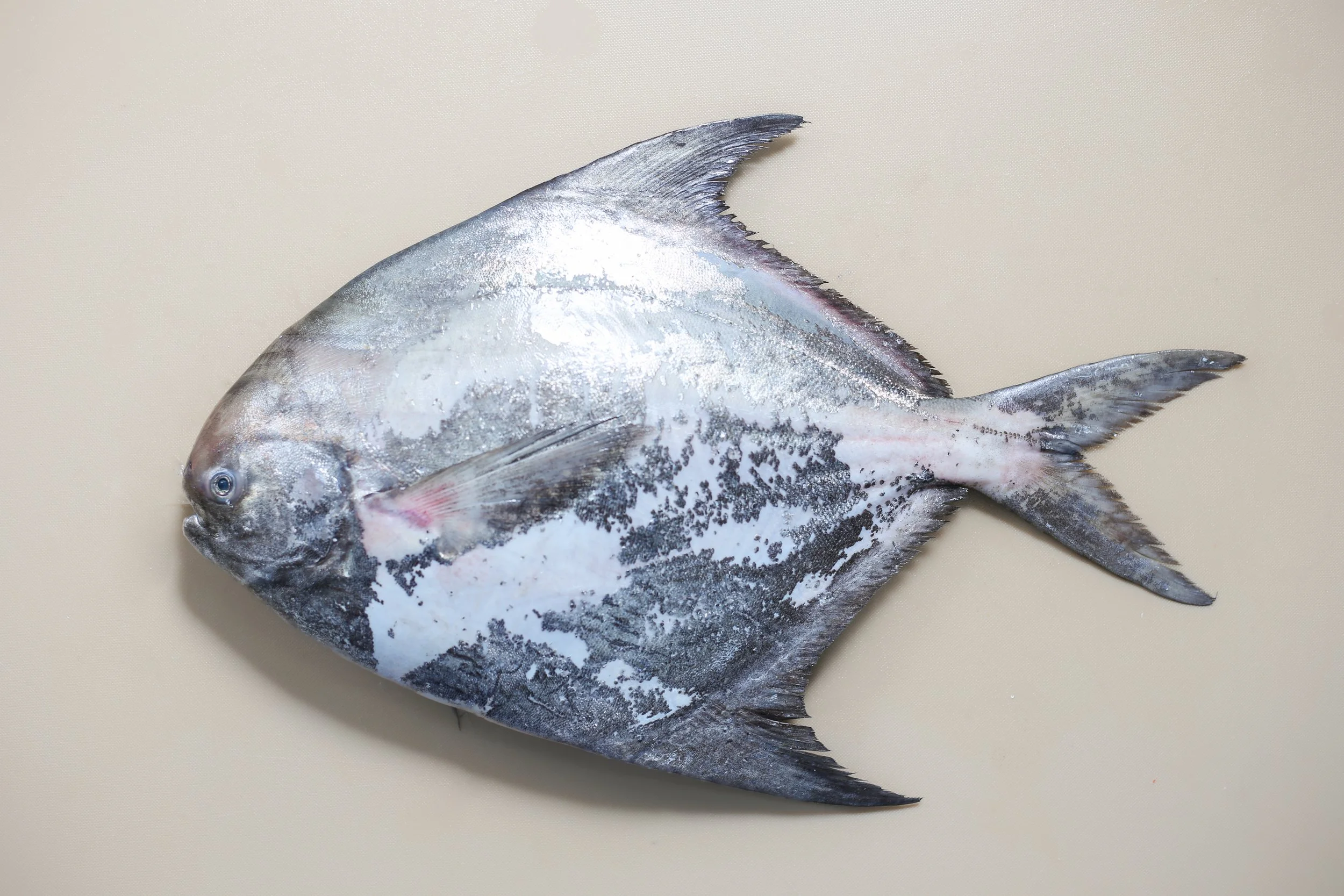
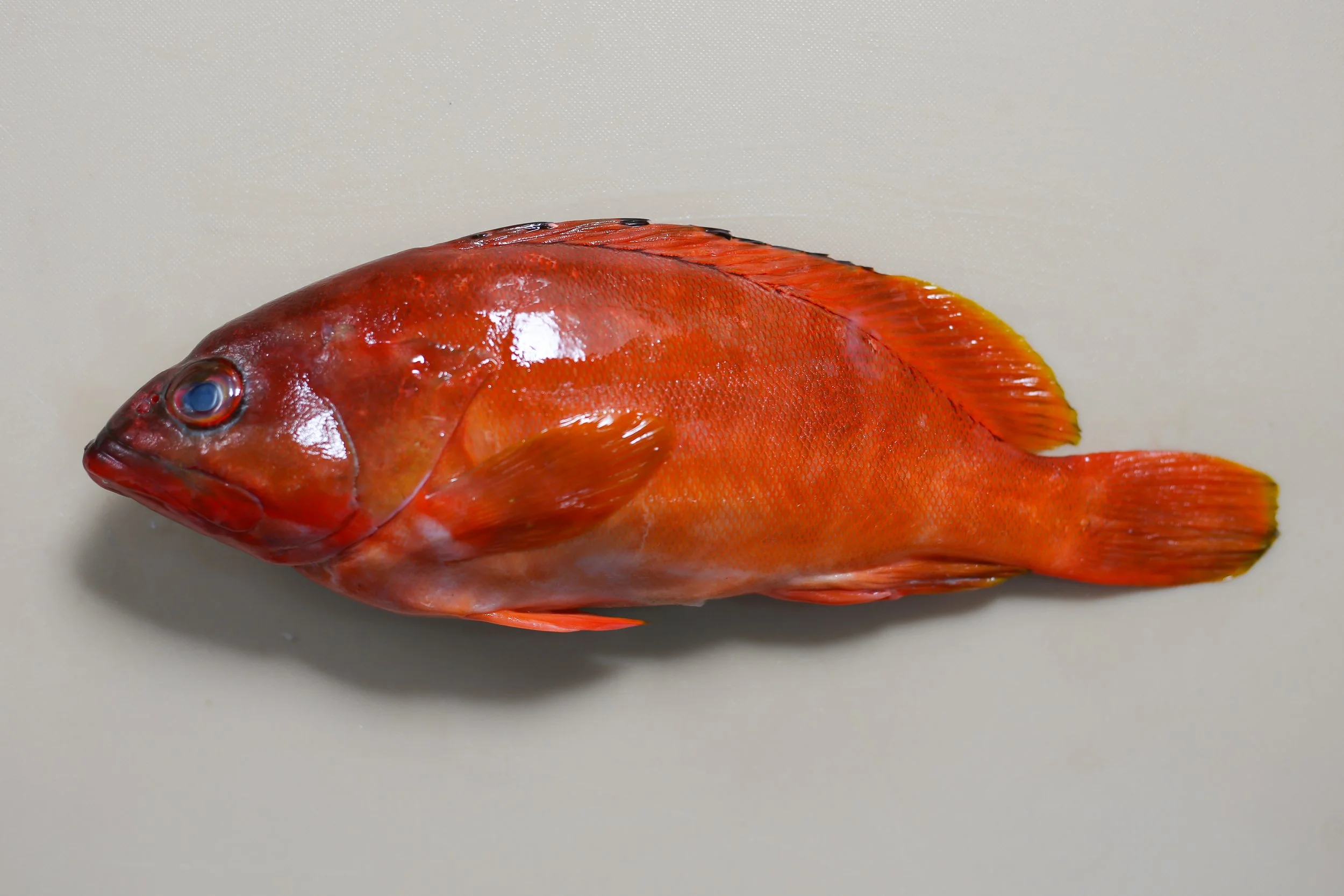
Japan calls it 栽培漁業: raising young fish and shellfish on land and releasing them into the sea. The main species nationally include madai, hirame, tiger pufferfish and kijihata, along with kuruma prawn, blue crab and abalone. In Fukuoka, a foundation at Kanezaki in Munakata, founded in 1979, produces juveniles to order for the co-operatives and towns, and distributes them for release. It works: 10–20% of the open-sea tiger pufferfish handled at Haedomari market are released fish.
Count the fish
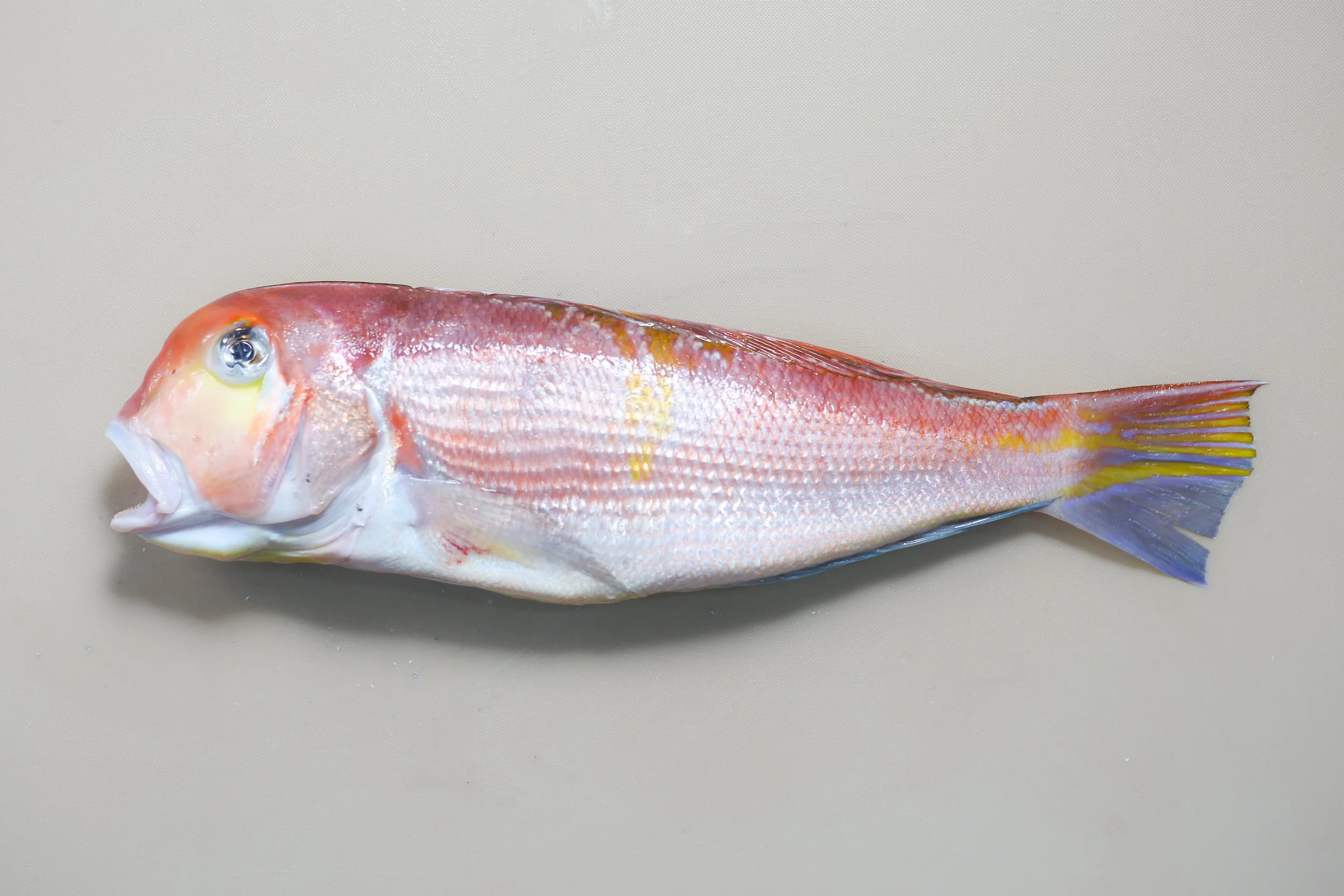
Tradition now has science beside it. Japan's amended Fisheries Act, the first overhaul of the law in 70 years, took effect in December 2020 and names sustainability as its objective for the first time. The number of species formally assessed rose from 50 to 192, with catch limits set to hold stocks at sustainable levels. The purse-seine fleets that land the Genkai's horse mackerel, mackerel and sardine work within national catch limits set each year.
Honest about the sea
Japan's catch has fallen hard. The country's sea fishery peaked at 11.5 million tonnes in 1984 and was 2.7 million tonnes in 2025, a fall of about three-quarters. Fukuoka has fared better. The market handled 180,000 tonnes at its 1996 peak and 83,000 tonnes in 2025, down by about half, and it has held steady between 72,000 and 85,000 tonnes since 2013. Some fish are still under pressure despite everything above: western Kyushu's tiger pufferfish remains low and declining, and Ariake Sea blue crab was assessed as low and declining in 2024. That is why the habits continue, and why the science was added.
What we take from it
A certificate tells you what a fishery may not do. Fukuoka's fishermen show what they choose to do, proactively: let the small ones go, rest the sea, raise the next generation, and count honestly. We source from the market where fishermen land with a view towards the future, and we bring their fish to Singapore with that understanding attached.
A view from the younger generation at Fukuoka Uoichiba
We asked Ariyoshi-san of Fukuoka Uoichiba how Japanese and Kyushu fishermen keep their fish stocks healthy. This is his answer, in full:
In Japan, there has traditionally been a strong idea of using the sea while also protecting it for the future. In many coastal communities, fishermen have developed their own local rules based on the characteristics of the fish and the sea they depend on.
Depending on the species and area, this can include closed seasons, limits on fishing areas or methods, size restrictions, rest periods, and releasing juvenile fish. These rules are sometimes decided and followed by the fishermen and local fishing cooperatives themselves, in addition to government regulations.
In Kyushu, there are also various resource-management measures for local fisheries. For example, there are specific management rules for species such as horse mackerel, mackerel, sardines, tiger pufferfish and blue crab.
I would describe the Japanese approach as being less about simply saying "you cannot catch this" and more about finding a way to continue fishing in the same sea for many years.
Of course, Japan also has problems with declining fish stocks, so I would not say that our system has always worked perfectly. Today, traditional knowledge and fishermen's experience are being combined with scientific resource assessments and modern fisheries management.
I think the idea of respecting the natural cycles of the sea is still very important in Japanese fishing culture. Perhaps this is also one reason why sustainability in Japan is sometimes understood a little differently from the certification-based approach you see in Singapore.
For us, the important thing is not only how much we can catch today, but whether our children and grandchildren can continue fishing in the same sea.
I think that is a very Japanese way of looking at the relationship between people and the ocean.
興味深い質問をありがとうございます。
皆さんの理解はかなり近いと思います。ただし、日本でもすべての漁業や地域でまったく同じというわけではありません。
日本には昔から、海を利用しながら、将来のために海を守っていくという考え方があります。多くの沿岸地域では、漁師たちが、自分たちが利用する魚や海の特徴に合わせて、地域独自のルールを作ってきました。
魚種や地域によって、禁漁期、漁場や漁法の制限、サイズ制限、休漁、稚魚の放流などがあります。こうしたルールは、政府による規制だけでなく、漁師や漁協自身が決めて守っている場合もあります。
九州でも、地域の漁業資源を守るためにさまざまな資源管理が行われています。例えば、アジ、サバ、イワシ、トラフグ、ガザミなど、それぞれの魚種に応じた管理があります。
日本の考え方を表現するなら、単純に「これは獲ってはいけない」と禁止するというより、同じ海で何十年、何百年と漁を続けていくために、どうすればいいかを考えるという考え方に近いと思います。
もちろん、日本でも魚資源が減少している問題はありますので、私たちの仕組みが常に完璧に機能してきたとは言えません。
現在では、昔からの知恵や漁師の経験に加えて、科学的な資源調査や現代的な漁業管理も組み合わせています。
私は、海の自然なサイクルを尊重するという考え方は、今でも日本の漁業文化の中でとても重要だと思います。
もしかすると、これがシンガポールで見られる認証制度を中心としたサステナビリティの考え方とは、日本の考え方が少し違って見える理由の一つかもしれません。
私たちにとって大切なのは、今日どれだけ魚を獲れるかだけではなく、子どもや孫の世代も同じ海で漁ができるかどうかです。
それが、人と海との関係についての、日本らしい考え方の一つだと思います。
Ariyoshi-san, Fukuoka Uoichiba, October 2026